Protecting Your Business from Check Fraud and Payment Scams
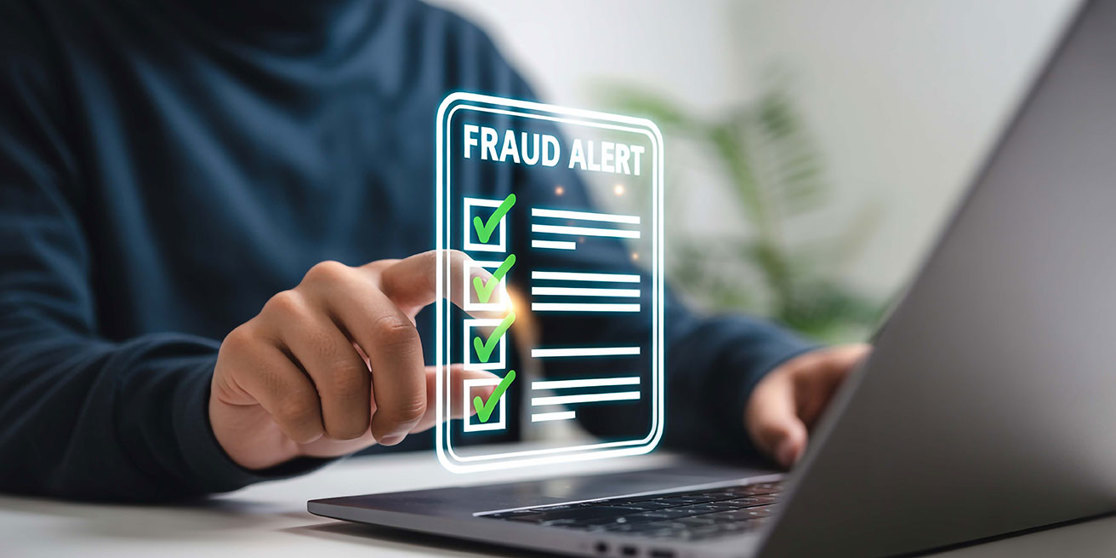
Fraud continues to evolve, and businesses of every size are increasingly becoming targets. From sophisticated email scams to check fraud and fraudulent payment requests, today's criminals are finding new ways to exploit weaknesses in financial processes.
While technology has improved convenience and efficiency, it has also created new opportunities for fraudsters. The good news is that many scams can be prevented through awareness, strong internal controls, and proactive monitoring.
Understanding common threats and implementing practical safeguards can help protect your business, your employees, and your financial resources.
Why Businesses Are Being Targeted
Business owners often manage significant financial transactions, maintain relationships with vendors, and process payments regularly. These activities create opportunities for criminals to exploit trust and create confusion.
Fraudsters frequently target businesses because:
- Business accounts often involve larger transactions.
- Multiple employees may have payment authority.
- Vendors and payment requests are common.
- Financial processes may not always be reviewed consistently.
Even well-managed businesses can become victims if proper safeguards are not in place.
Understanding Check Fraud
Although electronic payments continue to grow, check fraud remains a significant concern for many businesses.
One common scheme involves stolen checks that are altered and deposited by criminals. This practice, sometimes referred to as "check washing," removes the original information and replaces it with new payee details and amounts.
Warning signs may include:
- Missing checks from outgoing mail
- Unexpected account activity
- Checks clearing for incorrect amounts
- Unfamiliar payee names
Businesses that still use checks should regularly reconcile accounts and monitor transactions for unusual activity.
Business Email Compromise Scams
One of the fastest-growing forms of fraud involves email deception.
In a Business Email Compromise (BEC) scam, criminals impersonate executives, vendors, customers, or trusted partners. Their goal is to convince employees to transfer money or change payment instructions.
These emails often appear legitimate and may include:
- Requests for urgent wire transfers
- Changes to vendor payment information
- Confidential payment instructions
- Fake invoices requiring immediate action
Fraudsters rely on urgency and pressure to bypass normal verification procedures.
Vendor Payment Fraud
Vendor fraud occurs when criminals attempt to redirect legitimate payments to fraudulent accounts.
For example, a business may receive an email that appears to come from a long-time supplier requesting updated banking information. If employees process the change without verification, future payments may be sent directly to criminals.
To reduce risk:
- Verify all payment changes through a known phone number.
- Never rely solely on email instructions.
- Require secondary approval for banking changes.
- Document verification procedures.
A quick phone call can often prevent a costly mistake.
Implement Strong Internal Controls
One of the most effective defenses against fraud is creating a system of checks and balances.
Consider implementing:
Separation of Duties
Avoid allowing one employee to control every step of the payment process. Dividing responsibilities creates additional oversight.
Dual Approval Requirements
Require multiple approvals for large transactions, wire transfers, or account changes.
Regular Account Reviews
Review bank accounts, payment activity, and vendor records frequently to identify unusual transactions quickly.
Employee Training
Employees are often the first line of defense. Training staff to recognize fraud attempts can significantly reduce risk.
Monitor Accounts Frequently
Early detection can greatly reduce the financial impact of fraud.
Business owners should:
- Review account activity regularly
- Monitor cleared checks
- Verify electronic transactions
- Investigate unfamiliar activity immediately
Many fraudulent transactions are discovered only because someone noticed something that seemed unusual.
Protect Sensitive Information
Criminals often gather information before launching an attack.
Protect your business by:
- Limiting access to financial information
- Using strong passwords
- Enabling multi-factor authentication
- Updating software and security systems regularly
- Securing physical financial records
The less information available to criminals, the more difficult it becomes for them to succeed.
Develop a Verification Culture
Many successful scams depend on employees feeling rushed.
Encourage team members to:
- Slow down before processing payments
- Verify unusual requests
- Question unexpected instructions
- Report suspicious activity immediately
A culture that values verification over speed can dramatically reduce fraud risk.
What to Do If You Suspect Fraud
If you believe your business may be the victim of fraud:
- Contact your financial institution immediately.
- Review recent account activity.
- Change passwords and access credentials.
- Notify affected employees or vendors.
- Document all suspicious transactions.
- Report incidents to appropriate authorities when necessary.
Quick action can often help minimize losses and prevent additional fraudulent activity.
Staying One Step Ahead
Fraudsters are constantly adapting their tactics, which makes ongoing vigilance essential. Businesses that prioritize security, employee education, and transaction monitoring are far better positioned to avoid becoming victims.
Protecting your business from check fraud and payment scams is not about eliminating all risk. It is about reducing vulnerabilities and creating safeguards that make fraud more difficult to execute.
At American Bank, we encourage business owners to stay informed, monitor accounts regularly, and maintain strong financial controls. By taking proactive steps today, you can help protect your business and focus on what matters most: serving your customers and growing your company.
Tags: Cybersecurity Fraud Prevention Planning & Preparedness
Related Posts

Business Preparedness for Southeast Louisiana's Unique Climate

Safeguarding Your Finances in the Digital Age
Understanding Two-Factor Authentication

Identity Theft Protection Strategies

Financial Planning Tips for Freelancers and Contractors

Mastering Break-Even Analysis

Top Cybersecurity Threats in 2025 and How to Protect Yourself

Cybersecurity Tips for Small Businesses in Louisiana
Strengthening Online Banking Security for Personal and Business Accounts

What to Do If You Become a Victim of Cybercrime

How to Spot Holiday Scams Targeting Consumers and Small Businesses

The Best Ways to Set Up Your 2026 Savings Plan