How to Improve Your Credit Score in 2026
Understanding Credit at the Start of the Year
The beginning of a new year is a natural time to reset financial priorities, and your credit score deserves a place at the top of that list. Whether you are a young adult building credit for the first time, a family planning major purchases, or a small business owner preparing for growth, your credit score plays a critical role in your financial future.
Improving your credit score in 2026 does not require drastic changes. It requires consistency, awareness, and a clear understanding of how credit works. Starting early in the year gives you time to build positive habits that can pay off for months and years to come.
Why Your Credit Score Matters
Your credit score is a snapshot of how you manage borrowed money. Lenders use it to evaluate risk when deciding whether to approve loans, extend credit, or offer favorable interest rates.
A healthy credit score can help you:
- Qualify for better loan terms and lower interest rates
- Increase approval chances for mortgages, auto loans, or personal credit
- Reduce insurance premiums in some cases
- Strengthen your financial flexibility during emergencies
Improving your credit score is not just about borrowing. It is about opening doors to financial opportunities.
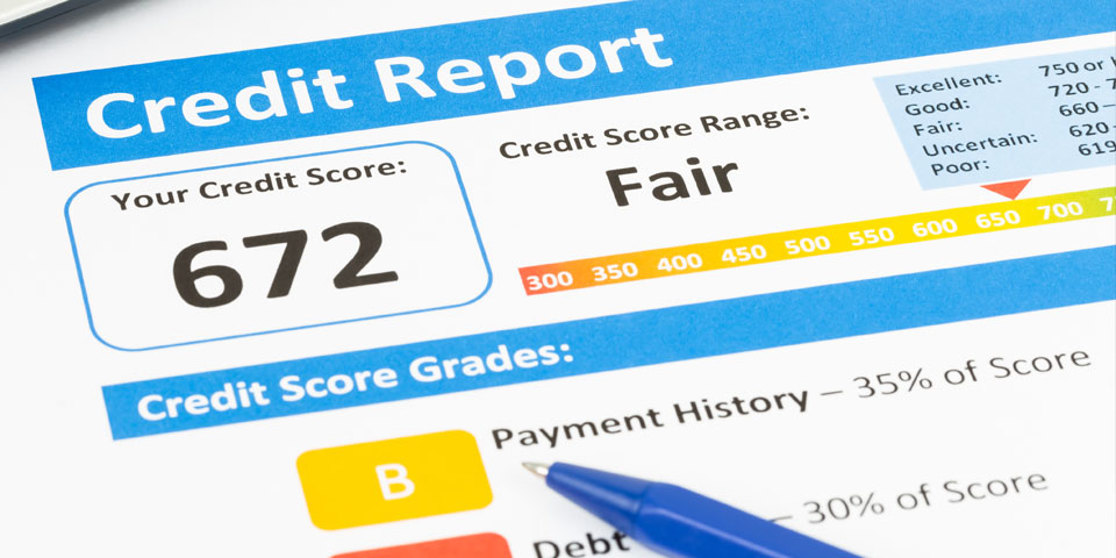
Start the Year by Checking Your Credit Report
One of the most important steps you can take at the start of the year is reviewing your credit report. Many people focus on the score itself, but the details inside the report matter just as much.
When reviewing your report, look for:
- Incorrect balances or outdated accounts
- Late payments that were reported in error
- Accounts you do not recognize
- Old collections that may need follow-up
Addressing errors early can prevent unnecessary damage and help you start the year on solid footing.
Focus on Payment History First
Payment history is the most influential factor in your credit score. Even one missed payment can have a lasting impact.
To strengthen payment habits:
- Set up automatic payments for at least the minimum due
- Use reminders or calendar alerts for billing dates
- Pay bills early when possible to avoid last-minute issues
Consistency matters more than perfection. On-time payments, month after month, build trust with lenders and steadily improve your score.
Keep Credit Utilization Low
Credit utilization refers to how much of your available credit you are using. Even if you pay balances in full each month, high utilization can negatively impact your score.
A good rule of thumb is to:
- Use less than 30 percent of your available credit
- Aim even lower if possible for stronger results
For example, if your credit limit is $10,000, keeping balances below $3,000 can help maintain a healthy score.
Avoid Opening Too Many New Accounts
It can be tempting at the start of the year to apply for new credit cards or financing. While new credit can help in some situations, opening too many accounts at once can hurt your score.
Each application typically creates a hard inquiry, which may temporarily lower your score. Be strategic and apply only when there is a clear financial purpose.
Build Credit with Purpose, Not Pressure
If you are building or rebuilding credit, start small and stay focused. Responsible use of one or two accounts can be far more effective than juggling multiple lines of credit.
Helpful strategies include:
- Using a credit card for small, regular purchases
- Paying balances in full whenever possible
- Keeping older accounts open to maintain credit history length
Credit building is a long-term process. Steady progress beats quick fixes.
Monitor Your Credit Throughout the Year
Improving your credit score is not a one-time effort. Regular monitoring helps you track progress and spot issues early.
Consider checking your credit:
- At least quarterly to review changes
- After major financial events
- If you notice unexpected account activity
Staying informed keeps you in control and prevents surprises when applying for loans or credit.
Make Credit Improvement Part of Your 2026 Financial Plan
Credit health works best when it is part of a larger financial strategy. Pair credit improvement with budgeting, saving, and debt management goals to create a stronger overall foundation.
As the year progresses, small, consistent actions can lead to meaningful improvements. By understanding how credit works and taking proactive steps now, you can position yourself for better financial opportunities throughout 2026 and beyond.
Starting the year with clarity and intention gives your credit score the best chance to grow alongside your financial goals.
Tags: Personal Finance
Related Posts

Tips and Tricks for Creating a Monthly Budget

Strategies for Building Your Emergency Fund Today

Navigating the World of Personal Finance

Safeguarding Your Finances in the Digital Age

Financial Planning Tips for Freelancers and Contractors

Tips to Budget Effectively for the Holiday Season

Practical Tips for Busy Parents to Manage Family Finances

Exploring 529 Plans
Building a Strong Credit Foundation

How to Make the Most of Your Tax Refund
Strategies for Saving for the Unexpected

Building a Solid Foundation for Young Families

Step-by-Step Guide for First-Time Buyers

Strengthening Online Banking Security for Personal and Business Accounts

How to Prepare Solid Financial Goals for the New Year

The Best Ways to Set Up Your 2026 Savings Plan