How to Build and Protect Your Emergency Fund in Today’s Economy
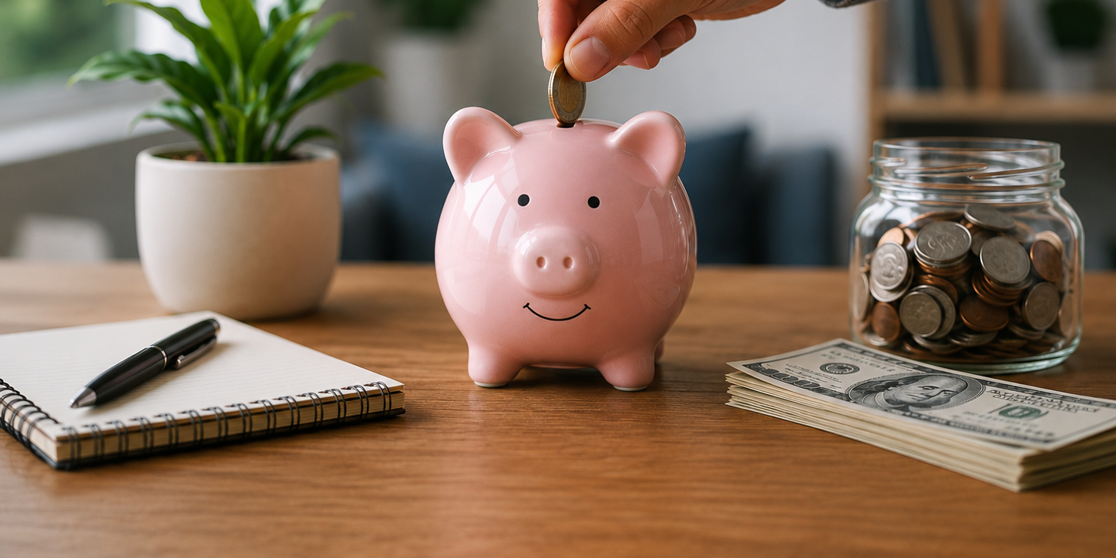
In today’s unpredictable economic environment, financial stability isn’t just a goal, it’s a necessity. Rising costs, fluctuating interest rates, and unexpected life events can quickly disrupt even the most carefully planned budgets. That’s why having a strong emergency fund is one of the smartest financial moves you can make.
Whether you're just getting started or looking to strengthen what you’ve already built, here’s how to create and protect your emergency fund with confidence.
Why an Emergency Fund Matters More Than Ever
An emergency fund acts as your financial safety net. It helps you handle unexpected expenses like:
- Medical bills
- Car repairs
- Home maintenance
- Job loss or reduced income
Without it, many people turn to high-interest credit cards or loans, which are solutions that can create long-term financial stress.
In today’s economy, where uncertainty can come quickly, having cash reserves gives you peace of mind and the ability to make decisions without panic.
Step 1: Set a Realistic Savings Goal
The traditional recommendation is to save 3 to 6 months of living expenses. However, don’t let that number overwhelm you.
Start small:
- Aim for your first $500–$1,000
- Then build toward one month of expenses
- Gradually increase over time
Consistency matters more than speed.
Step 2: Automate Your Savings
One of the easiest ways to build your emergency fund is to make saving automatic.
- Set up recurring transfers from your checking account
- Allocate a percentage of each paycheck
- Direct deposit a portion of income into savings
By removing the decision-making process, you eliminate the temptation to skip contributions.
Step 3: Choose the Right Place to Store It
Your emergency fund should be:
- Accessible (easy to withdraw when needed)
- Secure (protected from market risk)
- Separate (not mixed with everyday spending money)
Consider options like:
- A dedicated savings account
- A money market account
- An interest-bearing account with your local bank
Keeping your emergency fund separate reduces the likelihood of dipping into it for non-emergencies.
Step 4: Protect It from Inflation and Temptation
In today’s economy, rising costs can quietly erode your savings. While your emergency fund isn’t meant for aggressive growth, you can still protect its value:
- Choose accounts that earn competitive interest
- Periodically increase contributions to match rising expenses
- Avoid unnecessary withdrawals
Just as important—treat your emergency fund as off-limits unless it’s truly needed.
Step 5: Replenish After Use
It’s okay if you need to use your emergency fund because that’s what it’s there for.
But don’t stop there:
- Make a plan to rebuild it immediately
- Adjust your budget temporarily if needed
- Resume automatic contributions
Think of it as a cycle: use, recover, and strengthen.
Common Mistakes to Avoid
Even with the best intentions, people often make avoidable missteps:
- Keeping all savings in a checking account
- Investing emergency funds in volatile markets
- Using the fund for non-essential purchases
- Waiting for the “perfect time” to start
The best time to start building your emergency fund is now!
How American Bank Can Help
At American Bank, we understand that financial security starts with strong fundamentals. Our team can help you:
- Open the right type of savings account
- Set up automatic transfers
- Create a personalized savings strategy
- Stay on track with your financial goals
Building an emergency fund doesn’t have to be complicated, but it does require a plan and the right support.
Tags: Savings Personal Finance
Related Posts

Tips and Tricks for Creating a Monthly Budget

Strategies for Building Your Emergency Fund Today

Navigating the World of Personal Finance

Safeguarding Your Finances in the Digital Age

Financial Planning Tips for Freelancers and Contractors

Tips to Budget Effectively for the Holiday Season

Practical Tips for Busy Parents to Manage Family Finances

Exploring 529 Plans
Building a Strong Credit Foundation

How to Make the Most of Your Tax Refund
Strategies for Saving for the Unexpected

Building a Solid Foundation for Young Families

Step-by-Step Guide for First-Time Buyers

Strengthening Online Banking Security for Personal and Business Accounts
How to Prepare Solid Financial Goals for the New Year

The Best Ways to Set Up Your 2026 Savings Plan
How to Improve Your Credit Score in 2026

Financial Reset for 2026

Affordable Banking for Every Northshore Family

Why Choose a Community Bank in 2026

Smart Borrowing in 2026

How Rising Costs Continue to Impact Families and Small Businesses in 2026

Planning Ahead for Life’s Biggest Purchases