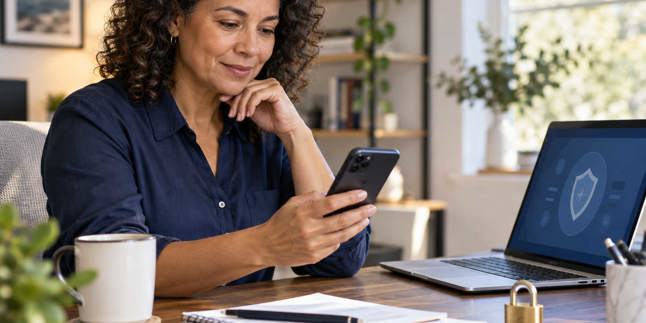
Cybersecurity Awareness and Your Financial Security
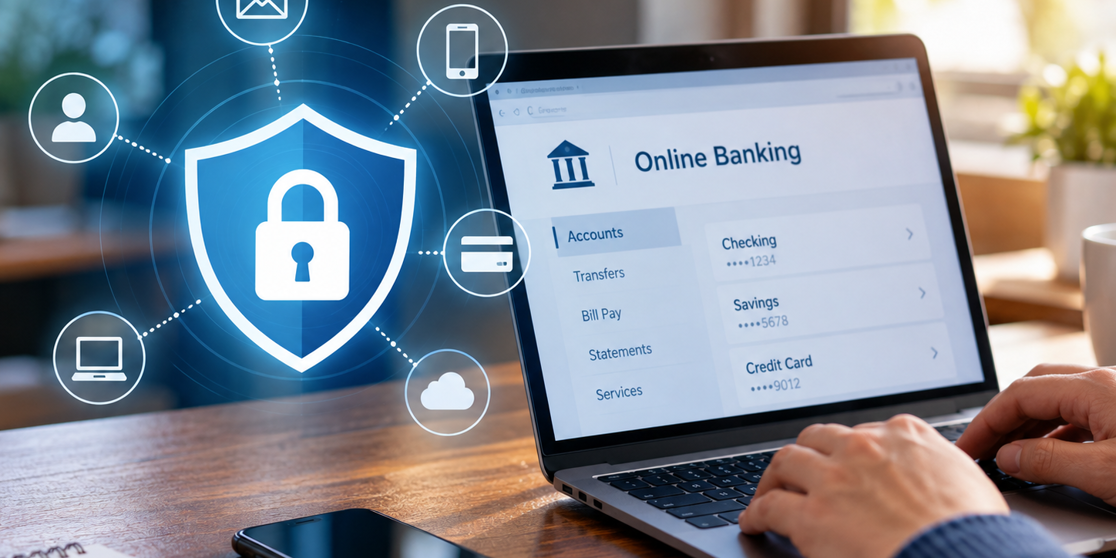
Simple steps can help protect your personal information, your accounts, and your financial future.
Every October, Cybersecurity Awareness Month serves as an important reminder that protecting ourselves online has become part of protecting our everyday lives.
Since 2004, government agencies, businesses, financial institutions, and other organizations have used Cybersecurity Awareness Month to help individuals better understand online threats and the steps they can take to reduce their risk.
That mission has become increasingly important. We use our phones and computers to shop, communicate, pay bills, manage businesses, transfer money, deposit checks, and access our bank accounts. That convenience is valuable, but it also creates opportunities for criminals looking to steal personal information or money.
At American Bank, we believe awareness is one of the best places to start.
Cybersecurity Affects All of Us
You don't have to own a business or work in technology to be targeted by cybercriminals.
Many cyberattacks aren't highly technical from the victim's perspective. Instead, criminals frequently rely on something much simpler: convincing someone to trust them.
You might receive a text that appears to come from your bank warning you about a suspicious transaction. An email may tell you that your account has been locked and ask you to click a link. Someone may call claiming to represent a bank, government agency, or well-known company.
The message is usually designed to create urgency:
"Your account has been compromised."
"Did you authorize this transaction?"
"You need to verify your account immediately."
The goal is to get you to react before you have time to think.
Why Cybersecurity Is Especially Important When It Comes to Banking
Your financial information is particularly valuable to criminals because gaining access to it can provide a path to your money, and potentially much more.
Information such as your online banking credentials, debit or credit card information, Social Security number, email account, or other personal details can potentially be used to commit fraud or identity theft.
Scammers may even impersonate financial institutions to gain your trust.
Phishing emails, fraudulent text messages, sometimes called "smishing," and fraudulent phone calls, or "vishing," can all be designed to look or sound legitimate. Fake websites may also closely resemble the websites of real financial institutions.
That is why one of the most important cybersecurity habits is also one of the simplest:
When something doesn't seem right, stop and verify it independently.
Instead of clicking a link in an unexpected message, go directly to the organization's official website or contact the organization using a phone number you already know or independently verify.
Simple Ways to Protect Yourself
Cybersecurity can sound complicated, but some of the most effective precautions are everyday habits.
Use strong, unique passwords.
Avoid using the same password for multiple important accounts. If one account becomes compromised, reused passwords can potentially put other accounts at risk.
Use multifactor authentication when available.
Multifactor authentication adds another layer of protection beyond your password, such as a security code, authentication app, fingerprint, or other verification method.
Be cautious with unexpected emails and text messages.
Don't automatically click a link because a message appears to come from a company you recognize. Criminals can imitate legitimate organizations and create convincing messages.
Don't allow urgency to make the decision for you.
Scammers often want you to act immediately. Take a moment to evaluate the situation and independently contact the organization involved.
Keep your devices and software updated.
Software updates frequently contain important security improvements that help protect devices from known vulnerabilities.
Be careful when using public Wi-Fi.
Avoid accessing sensitive financial information or conducting important transactions over unsecured public networks.
Monitor your financial accounts.
Regularly reviewing account activity can help you identify transactions you don't recognize and respond more quickly.
When in Doubt, Contact Your Bank
One of the most important things to remember is that you don't have to determine on your own whether a suspicious communication is legitimate.
If you receive an unexpected message or call involving your American Bank account and something doesn't seem right, don't use the contact information provided in the suspicious message.
Instead, contact American Bank directly through a trusted channel.
Taking a few minutes to verify something can be far better than taking a chance with your personal or financial information.
Cybersecurity Is a Year-Round Responsibility
Cybersecurity Awareness Month gives us an opportunity each October to focus on online safety, but good cybersecurity habits matter every day of the year.
Technology will continue to change. Unfortunately, the tactics used by scammers and cybercriminals will continue to change with it.
What doesn't change is the value of being cautious, staying informed, and knowing when to stop and verify.
At American Bank, protecting your financial information is important to us. By working together and practicing good cybersecurity habits, we can all take meaningful steps toward protecting our accounts, our identities, and our financial futures.
Tags: Cybersecurity Personal Finance Customer Experience
Related Posts

Tips and Tricks for Creating a Monthly Budget
Elevating Your Small Business with Exceptional Customer Service
Strategies for Building Your Emergency Fund Today

Navigating the World of Personal Finance
Safeguarding Your Finances in the Digital Age
Understanding Two-Factor Authentication

Identity Theft Protection Strategies

Financial Planning Tips for Freelancers and Contractors

Tips to Budget Effectively for the Holiday Season

Practical Tips for Busy Parents to Manage Family Finances

Exploring 529 Plans
Building a Strong Credit Foundation

How to Make the Most of Your Tax Refund
Strategies for Saving for the Unexpected

Building a Solid Foundation for Young Families

Step-by-Step Guide for First-Time Buyers
Top Cybersecurity Threats in 2025 and How to Protect Yourself
Cybersecurity Tips for Small Businesses in Louisiana
Strengthening Online Banking Security for Personal and Business Accounts
What to Do If You Become a Victim of Cybercrime

How to Spot Holiday Scams Targeting Consumers and Small Businesses
How to Prepare Solid Financial Goals for the New Year

The Best Ways to Set Up Your 2026 Savings Plan
How to Improve Your Credit Score in 2026

Financial Reset for 2026

Affordable Banking for Every Northshore Family

Why Choose a Community Bank in 2026

Smart Borrowing in 2026

How to Build and Protect Your Emergency Fund in Today’s Economy
How Rising Costs Continue to Impact Families and Small Businesses in 2026
Protecting Your Business from Check Fraud and Payment Scams

Planning Ahead for Life’s Biggest Purchases